Poschner, Utah Symphony and Gluzman shine in Strauss and Shostakovich
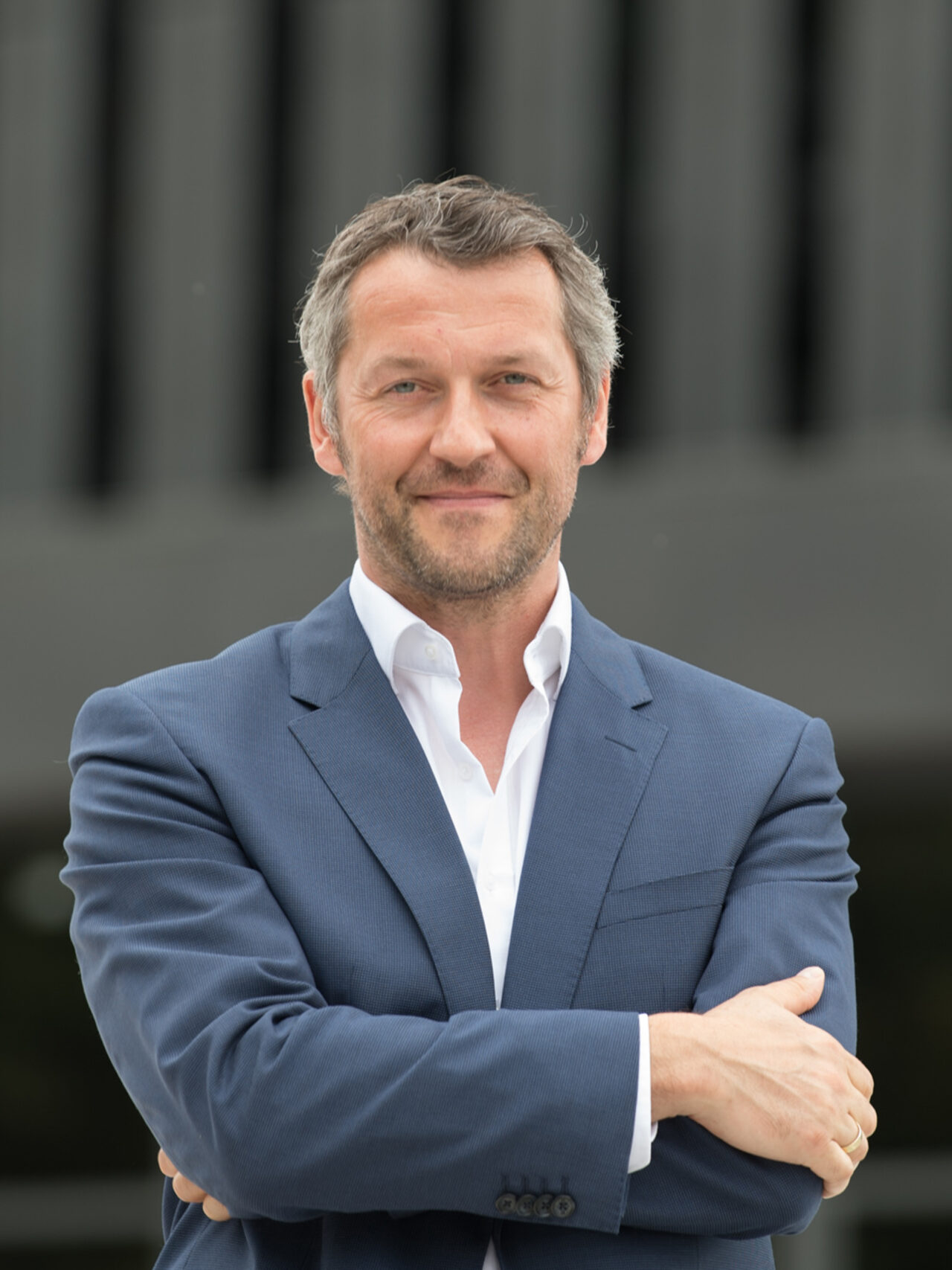
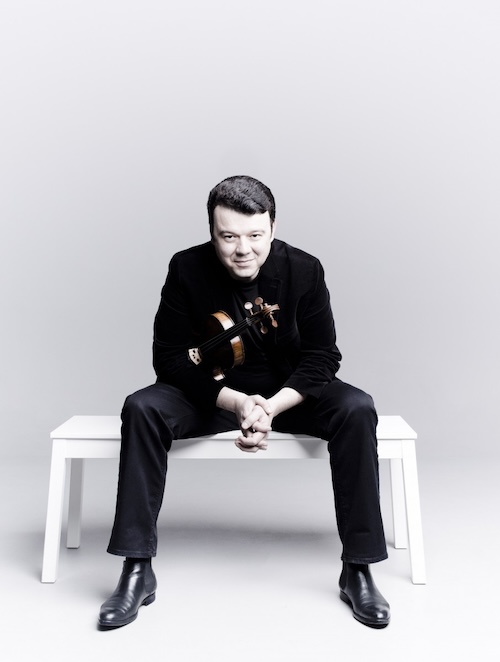
After an absence of several years, violinist Vadim Gluzman made a return visit to Abravanel Hall Friday night playing a work that hasn’t often been performed in Salt Lake City: Shostakovich’s Violin Concerto No. 1.
The Ukrainian-born violinist gave an impassioned reading that delved into the complex emotional fabric of the work. And music director designate Markus Poschner and the Utah Symphony offered well-balanced accompaniment that supported and complemented Gluzman’s playing.
The concerto has an unusual format: it is in four movements and opens with a slow nocturne that exudes a feeling of melancholy in its dark-tinged harmonic palette. Gluzman captured the emotions Shostakovich expresses here with heartfelt playing that was mirrored by Poschner’s sensitive accompaniment.
The second movement is a lively Scherzo, not high-spirited as one might expect, but rather infused with the nervous, somber undertones from the opening movement. But it nevertheless becomes a showcase for the soloist, and Gluzman’s immaculate technique allowed him to put on a fine display of virtuosic playing.
The third movement Passacaglia is unlike the previous two in that Shostakovich creates a lush harmonic texture filled with expansive gestures and broadly drawn out phrasing. Gluzman gave an expressive reading that emphasized the richness of the music.
After an extended cadenza at the end of the Passacaglia, the work leads immediately into the closing Burlesca, which becomes another display piece for virtuosic playing from the soloist. And Gluzman once again showed off his remarkable technical prowess with his rhythmically charged, dynamic playing.
Gluzman rewarded the audience for its boisterous applause with a lovely encore, Serenade ,by fellow Ukrainian Valentyn Silvestrov. The piece is reminiscent of Bach’s works for solo violin in its melodic structure and harmonic language. Gluzman gave a delicately crafted reading that underscored the piece’s tender, timely lyricism.
After intermission, Poschner and the orchestra dove into the effusive late Germanic romanticism of Richard Strauss’ immense tone poem, Ein Heldenleben. And Friday, the German-born conductor, who takes over as the Utah Symphony’s music director in the 2027-28 season, gave one of his most remarkable performances to date.
Poschner displayed his affinity for late 19th century German repertoire in his account, capturing the work’s sweeping, soaring musical lines and the intricacies of the orchestration in his nuanced interpretation. He coaxed a strong performance from the greatly expanded orchestra, which played with precision and clarity. Throughout the 45-minute work, Poschner kept things flowing with his well-chosen tempos and energetic direction. There was also a finely tuned cohesiveness to his reading that allowed each section to move seamlessly to the next.
All of the principal woodwind and brass players gave fine accounts in their solo work, as did the various sections as a whole, including the percussion. Of particular note was concertmaster Madeline Adkin’s extensive solo in “The Hero’s Companion,” a gorgeous portrait of Strauss’ wife, Pauline de Ahna. Strauss has been quoted as saying his wife was a very complex person, and that certainly comes through in the music, with its numerous stylistic layers. But ultimately it is a very loving depiction of his wife. And Adkins gave a sumptuous, vibrant account that captured its subtleties of expressions and moods.
The program will be repeated 5:30 p.m. Saturday. utahsymphony.org
Leave a Comment