Lazarova lifts Utah Symphony’s new year with Russian rarities
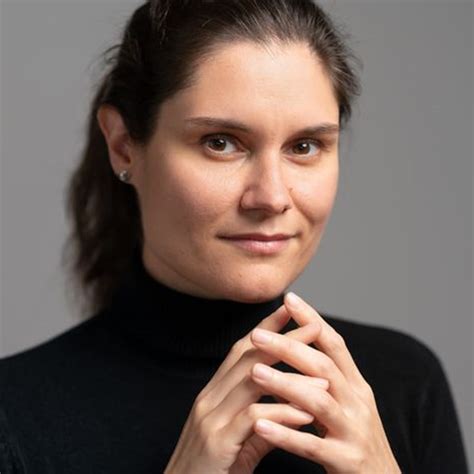
Delyana Lazarova, the newly appointed principal guest conductor of the Utah Symphony, made the second of two Abravanel Hall appearances of the season Friday night, leading the ensemble in remarkably lucid and radiant readings of early works by Rachmaninoff and Tchaikovsky.
The concert opened with Rachmaninoff’s tone poem The Rock. Written when the composer was only 20, but after he had already won acclaim for his first opera, Aleko, the work already has all the elements of the mature composer and is a fine early example of Rachmaninoff’s lush harmonic palette and memorable melodies.
Lazarova coaxed a warm, full sound from the orchestra, especially from the strings, and expansive playing that emphasized the rich romanticism of the music. The shimmering opening carried on throughout the piece, with the conductor emphasizing the expressiveness of the music, even in the vigorous crescendos. Nothing was overplayed and Lazarova kept everything balanced and well defined.
Tchaikovsky’s Symphony No. 1, “Winter Dreams,” concluded the concert. While the composer’s Fourth, Fifth and Sixth Symphonies receive a lot of attention, the first three are of an equally high musical quality—and much less overtly sentimental than the final three—and deserve to be programmed much more frequently than they are.
The First, written when Tchaikovsky was in his 20s, is filled with his captivating melodies and effusive harmonies and also show him to be an adept orchestrator even in this early career stage. And Lazarova’s account Friday encapsulated the high spirits and lyricism that course throughout the work.
In the first movement, Lazarova elicited dynamic playing from the orchestra, from the glistening strings that open the movement to the exuberance of the well-modulated climaxes. Her reading captured the unbridled passion of the music with finely crafted and well defined expressions.
Lazarova’s sensitive direction in the Adagio brought out the poignancy and bittersweet tenderness of the unassuming melodies. And this movement was also notable for some fine solo work by principal oboe Zachary Hammond and principal flute Mercedes Smith.
Tchaikovsky livens things up again in the third movement Scherzo, with its effervescent themes. And Lazarova underscored the airy, almost dream-like character of the movement with her well conceived reading that allowed the orchestra to play with light, fluid phrasings.
In the finale, Lazarova’s attention to details let her explore the nuances of the music, from the slow, staccato introduction to the triumphant, joyous outbursts of the movement proper. She got the orchestra to play with subtle inflections in the introduction and with wildly robust and bold gestures at the climaxes.
Also on the program was Mozart’s Piano Concerto No. 23 in A major, with soloist Awadagin Pratt.
Over the years, Pratt has appeared a few times with the Utah Symphony, most recently in December 2023. While a technically astute pianist, Pratt’s performance Friday didn’t capture the finely wrought phrasing and delicate expressions of this work, one of Mozart’s most congenial piano concertos.
In the two outer movements, Pratt’s heavy use of the pedal marred his playing, resulting in muddled and indistinct runs and messy melodic lines. Lazarova, on the other hand, elicited clean and well articulated playing from the orchestra that underscored the clarity and definition of the music. Because of these two disparate approaches to the music, there was a distinct lack of balance between the ensemble and soloist; the two never meshed to create an attractive and musically pleasing whole.
Things were somewhat better in the middle movement Adagio. The music here was better suited to Pratt’s style of playing, and there were some moments of subtle interplay between him and the orchestra.
However, overall this wasn’t a very satisfying Mozart performance. The pianist’s extensive embellishments of the spare solo writing felt superfluous and didn’t add anything of substance to the music.
The program will be repeated 5:30 p.m. Saturday. utahsymphony.org
Leave a Comment