Cellist Fung brings heartfelt Elgar to Utah Symphony’s season opener
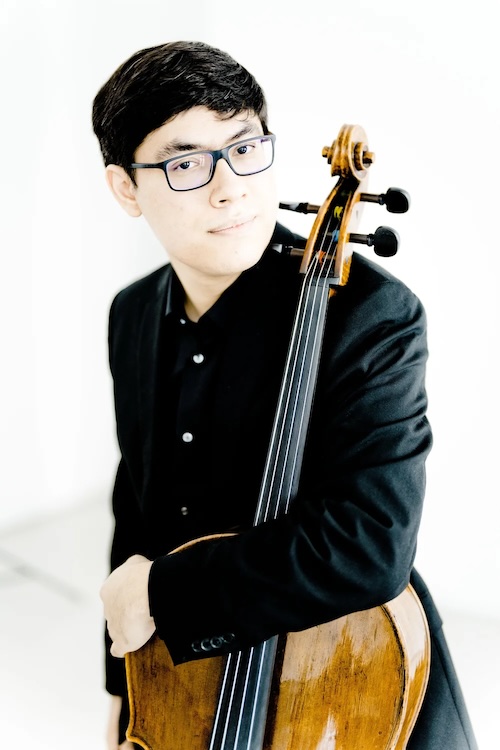
The Utah Symphony opened its 2026-27 season Friday night at Abravanel Hall with an evening of deeply emotional 20th-century works. Principal guest conductor Delyana Lazarova led the symphony in music of Samuel Barber and Sergei Prokofiev, with cellist Zlatomir Fung in the spotlight for the centerpiece, Edward Elgar’s Cello Concerto.
The program opened with Barber’s Medea’s Dance of Vengeance, a single movement culled from his ballet Cave of the Heart, composed for dancer Martha Graham. The work explores Medea’s mental and emotional state through her husband’s betrayal and her violent acts of revenge.
With stark chords in the violins, Barber introduces a dissonant phrase in the xylophone before woodwinds steadily build the sonic landscape. The contrasted textures develop with increasing impact, with the lightness of a solo flute melody quickly subsumed by an earthy lushness in the string section.
Lazarova coaxed a brightness and clarity from the brass section, while also drawing playing of dynamic nuance from the strings and winds.
Edward Elgar wrote his Cello Concerto in England not long after the end of World War I. The concerto is a serious and elegiac work, with long, mournful, and nostalgic melodies. The first movement opens boldly with a solo cadenza before introducing and developing the theme in the orchestra.
Fung’s technique with the open chords at the beginning, and again at the end when they return really drew out the beauty of his cello’s lower register, allowing all the colors within his instrument to sing.
Fung approached the first movement with a simplicity of style that stressed the tonal and emotional shifts of the music. His lightness of touch in the quick second movement supported a brisk and effervescent tempo, and Lazarova balanced the soloist clearly against countermelodies in the violins.
The soloist brought out the intense expression of the slow movement with a honeyed expression and vibrato, the collaboration with the symphony in the quiet sections conveying the vulnerability and inward character at the heart of the concerto.
Fung was fully in synch with the assertive final movement, which built strong energy and vitality to the emphatic coda.
The cellist was recalled to the stage until he favored the audience with an expressive encore of the “Prayer” movement of Ernest Bloch’s From Jewish Life.
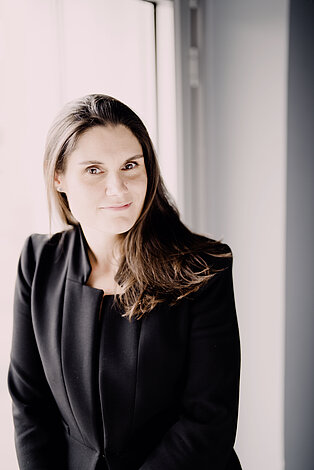
After intermission, Lazarova and the Utah Symphony returned with Prokofiev’s Symphony No. 5, written during the final campaigns of World War II. Prokofiev’s skill at developing melodies is on full display as he introduces the opening movement’s first theme in the woodwinds before passing it around the orchestra where it is segmented, recombined, and transposed, while still maintaining fragments of the original theme.
The strings delivered a warm, joyful tone through their extended lines while the woodwinds and brass countered with a sharp, percussive articulation. The percussion section was a multi-layered machine with the snare, bass drum, and timpani working together to create a deep foundation of resonance.
As the movements progressed, the musicians quickly adapted to differences in color and character. The crisp, high register of the violins contrasted with the low richness of the cellos and bass to create overlapping accents and harmonies.
Lazarova expertly coaxed the musical features and subtle moments to the forefront with an economy of movement that produced refined articulation and excitement in the mechanistic conclusion.
The program will be repeated 7:30 p.m. Saturday at Abravanel Hall. utahsymophony.org
Leave a Comment